Many people carry grief, pressure, and questions about who they are long before they know how to talk about it. Therapy can be a place to slow down, make sense of what feels heavy, and begin to understand yourself with more clarity and compassion.
My clinical perspective is deeply shaped by my years working in emergency medicine, hospital, and hospice settings. Sitting with individuals and families during moments of crisis, loss, and profound vulnerability taught me cultural humility, curiosity, and the shared humanity that is present in every experience of suffering. Grief, trauma, and self-discovery are not linear processes, but deep personal journeys that unfold in their own time.
In our work together, you won’t be expected to have the “right words” or know exactly where to begin. My intention is to meet you where you are at, creating space for you to tap into your own natural drive for growth and empowerment. With a treatment style grounded in authenticity, curiosity, and solution-based guidance, I sometimes incorporate humor to make difficult conversations feel more approachable. My work integrates person-centered therapy with elements of Cognitive Behavioral Therapy (CBT) and Dialectical Behavior Therapy (DBT) in a way that feels natural and collaborative. Together, we will unravel distorted thought patterns and set goals to build self-confidence. During our sessions, I will use Mindfulness and emotional regulation techniques to help you observe your feelings without judgment and create more space between what you feel and how you respond.
Many of the clients I work with are young adults navigating overwhelming expectations, burnout, identity questions, or the quiet pressure to “have it all together.” Some are carrying grief, anxiety, or self-doubt that feels difficult to name but impossible to ignore. Therapy becomes a place to sort through that weight while still moving forward with school, work, and relationships. Clients often share that they feel comfortable talking about anything with me, while being gently challenged to see things from a new perspective, and leave sessions feeling lighter than when they arrived.
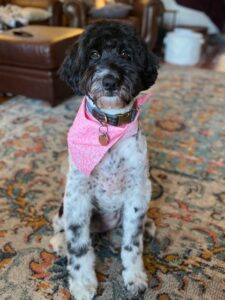
I am working toward my certification in Animal Assisted Therapy and am joined in some sessions by Peppa. Peppa is a 9-year-old Goldendoodle who has completed her Canine Good Citizen certification. She has a calm, gentle presence and enjoys offering quiet companionship during sessions. In her free time, Peppa loves playing frisbee, going on hikes, and getting plenty of cuddles.
I use she/her/hers pronouns.
I offer therapy to adults ages 18+ at our Downtown Fire Station Clinic and virtually.
Areas of Interest
Supporting Helping Professionals
I am especially committed to working with healthcare workers, first responders, and other helping professionals who may be experiencing secondary or cumulative trauma. My commitment to this work is rooted in my own years on the front lines of the emergency department during the COVID-19 pandemic. You don’t have to explain that environment to me — I have lived it alongside my colleagues.
LGBTQIA+ Clients
Inspired by my own path of self-discovery during my time at UW–Madison, I am deeply passionate about identity work and creating a space where you can explore who you are with authenticity, curiosity, and self-compassion. I proudly offer LGBTQIA+ affirming care and am especially passionate about working with young adults and students learning how to care for themselves during some of the most formative years of their lives.
Grief and Loss
I am drawn to grief work because it is not linear; it comes in waves, receding and returning in its own time. I believe grief can be a transformative journey, and I consider it a profound honor to witness the enduring love that remains when someone is gone.
All areas of interest
Grief and Loss
Anxiety & Depression
Identity Concerns
LGBTQIA+ Clients
Healthcare Workers, First Responders, & Helping Professionals
Life Transitions
Chronic Illness
Trauma & Secondary Trauma
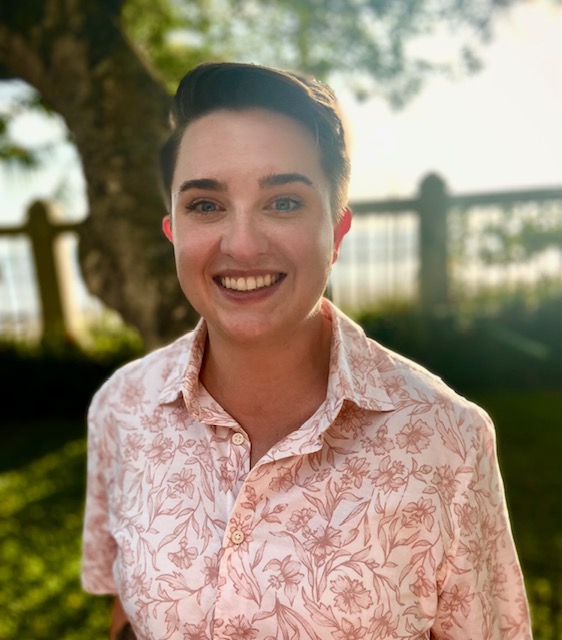
Emily Adams, MSW, APSW Advanced Practice Social Worker Master of Social Work, University of Wisconsin —Madison